How Emergency Dentist Ventura Clinics Help Prevent Bigger Problems
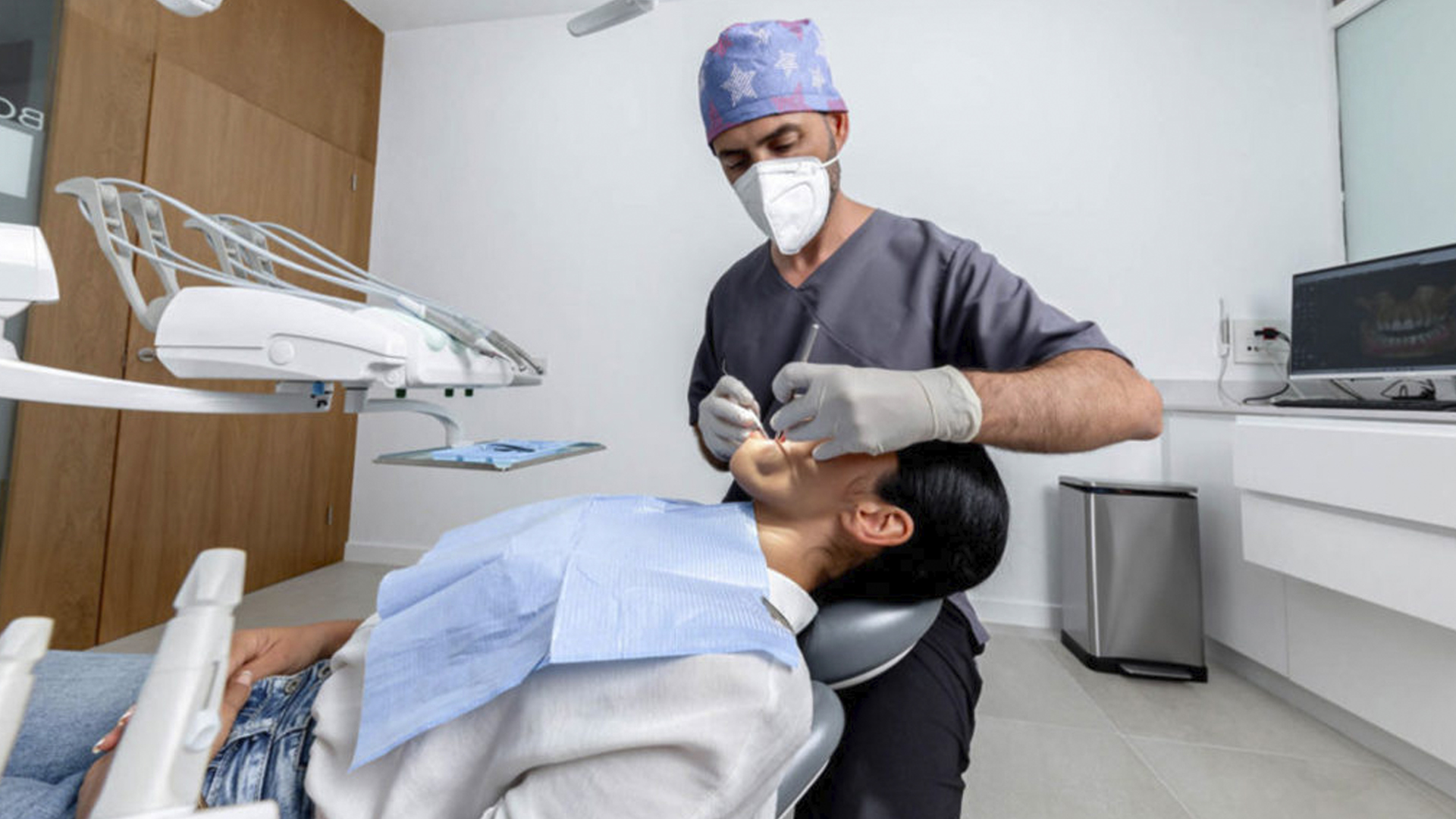

Dental emergencies have a way of disrupting more than a single afternoon. A cracked molar can turn dinner into a miserable exercise in chewing on one side. A swelling near the jaw can make sleep difficult and raise concerns that go well beyond tooth pain. A knocked-out front tooth can affect speech, confidence, and long-term oral health in a matter of hours. In each of these moments, timing matters.
That is where an Emergency Dentist Ventura clinic often makes the biggest difference. Emergency care is not only about fast pain relief, though that matters plenty. It is also about stopping a small problem from becoming a costly, complicated one. In practice, that can mean preserving a tooth that might otherwise be lost, preventing an infection from spreading, or identifying a hidden fracture before it damages surrounding teeth and bone.
People often wait longer than they should because dental pain can be inconsistent. A tooth may throb at night, calm down in the morning, and then flare up again days later. That pattern leads many patients to assume the issue is manageable. Often it is not. Pain is only one signal. Pressure, swelling, sensitivity to temperature, a bad taste in the mouth, or a loose tooth after an injury can all point to conditions that progress even when the discomfort temporarily eases.
What counts as a true dental emergency
Not every urgent dental issue looks dramatic. Some emergencies are obvious, such as facial swelling, bleeding that will not stop, or trauma from a fall, sports injury, or car accident. Others arrive quietly. A crown that comes off may seem minor until the exposed tooth becomes painfully sensitive or fractures further. A filling that breaks can leave a jagged edge that irritates the tongue and opens the door to bacterial invasion. A toothache that seems tolerable may actually reflect decay that has reached the pulp.
Experienced emergency dental teams tend to look beyond the immediate symptom. They ask practical questions. Did the pain start after biting something hard? Does cold trigger it, or heat? Is the pain sharp, dull, constant, or only present under pressure? Is there swelling near the gums, cheek, or under the jaw? Those details help separate a simple restoration from a pulp infection, a cracked tooth, or an abscess.
One of the most important roles of an Emergency Dentist Ventura provider is triage. In medicine, triage means sorting out what needs same-day treatment, what can wait briefly, and what belongs in a hospital setting. Dentistry works the same way. A patient with severe swelling affecting swallowing or breathing may need emergency medical care immediately. A knocked-out permanent tooth needs rapid dental intervention because the chance of saving it drops with every passing minute. A lost filling without pain may not be life-threatening, but it still deserves prompt attention because the tooth has become vulnerable.
The hidden cost of waiting
A delayed dental visit often creates a domino effect. A cavity caught early may need a routine filling. The same cavity ignored for months can reach the inner nerve, leading to root canal therapy and a crown. Wait longer, and the tooth may fracture below the gumline and become non-restorable, leaving extraction and replacement as the only realistic options.
That progression is not rare. Dentists see it constantly. Someone notices sensitivity to cold, adapts by avoiding iced drinks, and carries on. Then biting becomes uncomfortable, so they chew on the other side. Eventually the tooth wakes them at night. By the time they seek emergency care, the problem has advanced from minor decay to a pulpal infection. The treatment becomes more complex, more time-consuming, and more expensive.
The same pattern applies to cracked teeth. A hairline crack may be stabilized if caught early. Left alone, repeated chewing forces can deepen the fracture. Once it extends into the root, saving the tooth becomes much harder. A patient may remember exactly when the first sharp twinge happened, often while biting into nuts, crusty bread, or ice. What seemed like a momentary annoyance can become a split tooth weeks later.
Infections are where waiting becomes more than a dental issue. A localized abscess can cause gum swelling, tenderness, and a foul taste if it drains. If untreated, infection may spread into surrounding tissues. Most dental infections remain manageable when treated promptly, but no responsible clinician treats facial swelling casually. Emergency evaluation helps determine whether antibiotics, drainage, root canal treatment, extraction, or referral is needed.
Why rapid care can save teeth
Teeth are resilient, but they do not heal the way a scraped knee does. Enamel does not regenerate. Once decay, trauma, or infection compromises the structure or nerve, professional treatment is usually necessary. The window for conservative treatment can be surprisingly short.
Take an avulsed tooth, meaning a permanent tooth that has been knocked out completely. The ideal response is immediate. If the tooth can be placed back into the socket or kept moist in milk or a tooth preservation solution, the chance of successful reimplantation improves significantly. If it dries out for too long, the cells on the root surface may no longer survive well enough to support long-term healing. In plain terms, what happens in the first thirty to sixty minutes can influence whether that tooth has a future.
The same urgency applies to luxation injuries, where a tooth is loosened or displaced but not fully knocked out. To a patient, the tooth may only feel “a little off.” To an emergency dentist, subtle movement can indicate damage to the supporting ligament or surrounding bone. Stabilizing that tooth quickly may improve the outcome and reduce the risk of later complications such as root resorption or pulp death.
Severe tooth pain also deserves respect. If the pulp is inflamed but not yet irreversibly damaged, early intervention sometimes preserves more treatment options. Once infection fully develops, the tooth may require root canal therapy or extraction. That is why emergency clinics do more than hand out temporary relief. Good care aims to diagnose the source, reduce pain, and protect what can still be saved.
Common situations Ventura emergency clinics handle
Ventura patients seek urgent dental care for a broad mix of reasons, and the coastal lifestyle adds its own flavor. Active families, school sports, surfing, cycling, and weekend recreation all increase the odds of dental trauma. Beyond injuries, routine dental disease remains the biggest driver of emergencies. Decay and periodontal issues do not care whether the calendar says Tuesday morning or Sunday night.
Some of the most common urgent cases include the following:
- severe toothache with swelling or lingering sensitivity
- broken, cracked, or chipped teeth after biting hard foods or injury
- lost fillings, crowns, bridges, or veneers causing pain or exposure
- abscesses, gum swelling, or drainage with a bad taste or odor
- knocked-out, loosened, or displaced teeth after trauma
What matters is not only the event itself, but the response after it. A chipped tooth with no pain may still have exposed dentin. A lost crown may seem manageable if the tooth underneath does not hurt, but the unprotected tooth can shift, crack, or become intensely sensitive. An emergency clinic can determine whether the issue calls for bonding, recementation, a temporary protective measure, root canal treatment, extraction, or follow-up specialty care.
Pain relief is only the first step
When people search for an Emergency Dentist Ventura office, they are usually focused on one immediate goal: stop the pain. That is understandable. Dental pain can be relentless, especially at night when blood flow changes and distractions disappear. But a competent emergency visit is rarely just about numbing the area and sending the patient home.
Pain has a cause, and causes vary. A toothache may come from deep decay, a cracked cusp, a high bite on a recent filling, a gum infection, clenching-related trauma, or referred pain from a sinus issue. Treatment differs in each case. Simply prescribing medication without locating the source can delay the care the patient actually needs.
A thorough emergency assessment often includes visual examination, percussion testing, cold testing, periodontal probing, and radiographs when appropriate. These steps help determine whether the issue is structural, infectious, or related to the pulp. Sometimes a temporary measure is enough to stabilize the tooth until definitive treatment can be done. Sometimes the emergency appointment becomes the definitive treatment, such as draining an abscess, recementing a restoration, smoothing a fractured edge, or beginning root canal therapy.
Patients tend to remember the moment their pain finally eases. What they do not always realize is that the bigger win may be hidden. The clinic may have prevented a crack from worsening, stopped infection from advancing, or preserved the remaining tooth structure so a crown can succeed later.
The role of emergency clinics in preventing infection spread
Infection control is one of the clearest ways emergency dentistry prevents bigger problems. Oral infections can move from a confined space inside a tooth into the tissues around it. Once that happens, pain often changes character. Instead of sensitivity to hot or cold, the patient may feel pressure, throbbing, swelling, and tenderness to touch. Chewing can become difficult. In some cases, swelling can spread toward the cheek, eye area, or floor of the mouth.
Emergency dentists are trained to recognize when a dental infection remains local and when it may be escalating. That judgment matters. A small draining abscess may be uncomfortable but manageable in the dental setting. Swelling with fever, limited mouth opening, trouble swallowing, or rapid facial enlargement needs urgent escalation. Good emergency care includes knowing the line between dental treatment and hospital-level risk.
Another overlooked point is that antibiotics alone are often not the complete answer. Patients sometimes hope a prescription will make the problem disappear. Antibiotics can help control bacterial spread, especially when swelling is present, but they do not remove dead tissue from inside a tooth or eliminate the source of an abscess by themselves. The underlying cause still needs treatment. Emergency clinics help bridge that gap quickly, which reduces the chance of recurrence.
Why trauma care should never be casual
Dental trauma is easy to underestimate, especially when there is no dramatic bleeding. A person may chip a tooth and decide to “keep an eye on it.” That can be a mistake. Trauma can injure the nerve, crack the root, bruise the ligament that holds the tooth in place, or damage the bone around the socket. Some of those effects are not obvious without an exam and imaging.
Children and teens present a special challenge. A young patient may have a permanent tooth that looks mostly intact, yet the pulp may later become non-vital after an impact. Adults who grind their teeth or have heavily restored molars can also suffer hidden fractures from comparatively minor trauma. Emergency evaluation creates a baseline. It documents mobility, position, vitality responses, and radiographic findings so changes can be tracked later.
That follow-up piece matters. Some trauma cases appear stable on day one and evolve over weeks or months. A responsible clinic will explain what to watch for, such as discoloration, swelling, pain on biting, or increased looseness. Preventing bigger problems is not always about a dramatic intervention on the day of injury. Sometimes it is about catching a delayed complication before it compromises the tooth.
Gum and periodontal emergencies matter too
When people imagine a dental emergency, they usually picture a painful tooth. Yet urgent gum and periodontal issues can be just as significant. A sudden gum swelling, localized pain between teeth, bleeding around a wisdom tooth, or rapid onset of bad breath with tenderness can signal infection or trapped debris that needs prompt attention.
A classic example is food impaction between back teeth. What starts as irritation after a meal can progress to inflamed gums, tenderness, and swelling if the contact between teeth is open or a restoration is defective. Another is pericoronitis, which often occurs around a partially erupted wisdom tooth. Patients describe a sore flap of gum, pain when biting, or difficulty opening wide. Left untreated, the area can become more inflamed and infected.
Periodontal abscesses also deserve urgency. They may occur around teeth with preexisting gum disease, deep pockets, or cracks. Because the infection involves the supporting structures of the tooth, waiting can result in attachment loss and a poorer long-term prognosis. Emergency management may include drainage, cleaning, bite adjustment, antibiotics in select cases, and a plan for definitive periodontal or restorative care.
What patients can do before they are seen
The hours before an emergency appointment matter. The goal is not home treatment in place of professional care. The goal is damage control.
Here are a few sensible steps that help in many situations:
- rinse gently with warm salt water if the mouth is sore or swollen
- keep a knocked-out permanent tooth moist, ideally in milk, and handle it by the crown, not the root
- use a cold compress on the outside of the face for swelling or trauma
- avoid chewing on the affected side and skip very hot, cold, or hard foods
- seek immediate medical care if swelling affects breathing, swallowing, or causes fever with worsening facial pain
Beyond those basics, patients should resist the urge to improvise. Aspirin should not be placed directly on gums or teeth, because it can irritate and burn tissue. Superglue has no place in temporary tooth repair. Even over-the-counter dental products have limits. They may buy time, but they do not replace diagnosis.
The financial argument for urgent care
Cost is one reason some people hesitate to seek same-day dental treatment. Ironically, delay often leads to higher bills. A simple filling is almost always less expensive than root canal treatment and a crown. Recementing a crown promptly can be cheaper than dealing with a fractured underlying tooth later. Stabilizing a cracked tooth early may preserve restoration options that disappear once the fracture spreads.
There is also the matter of indirect cost. Lost work hours, missed school, poor sleep, inability to eat normally, and repeated use of temporary fixes all carry a price. When infections flare over a weekend, many patients end up seeking hospital care that can manage pain or prescribe medication but cannot usually provide definitive dental treatment. That often means paying for two visits instead of one, while the actual dental issue remains unresolved.
Emergency clinics help contain this spiral. Even when complete https://andrespouc911.currentvale.com/posts/how-emergency-dentist-ventura-helps-with-swollen-gums-and-face-pain treatment cannot be finished in a single visit, early intervention often converts a chaotic problem into a controlled one. Pain improves, risk drops, and the treatment path becomes clearer.
What to expect from a well-run Emergency Dentist Ventura practice
Not all urgent dental visits are handled with the same depth. The strongest emergency clinics do several things well. They make space for same-day concerns when possible. They gather a concise but useful history. They use diagnostics thoughtfully instead of guessing. Most important, they explain the difference between temporary relief and definitive care.
Patients should expect candor. If a tooth is savable, the dentist should say what is required and what the prognosis looks like. If the tooth has a guarded outlook because of a root fracture, advanced decay, or extensive bone loss, that should be explained plainly as well. Good emergency care is not about false reassurance. It is about clear options and timely action.
That approach matters in Ventura, where many residents balance busy schedules, family obligations, commuting, and active outdoor lives. An Emergency Dentist Ventura clinic that understands urgency can reduce downtime and protect long-term oral health at the same time. The value is not only clinical. It is practical.
Why prevention and emergency care belong together
There is a misconception that emergency dentistry sits apart from regular dental care, as if one is reactive and the other preventive. In reality, the two overlap. Emergency clinics often function as the last checkpoint before a manageable problem turns into a major one. They catch neglected decay before it costs a tooth. They intervene after injuries while the tooth can still be stabilized. They identify infections before they threaten deeper tissues.
They also reveal patterns. A patient who breaks several restorations may have an untreated grinding habit. Recurrent gum abscesses may point to deeper periodontal disease. Frequent emergencies around the same area can indicate a bite issue, failing dental work, or a cracked tooth that was never definitively restored. A thoughtful emergency visit does more than patch the immediate problem. It can redirect someone back into comprehensive care with a clearer understanding of what their mouth needs.
For many patients, that urgent appointment becomes a turning point. They came in for pain relief and left with a plan that prevented extraction, bone loss, or a much more serious infection. That is the quiet value of emergency dentistry. It works in the narrow window where intervention still changes the outcome.
When handled well, emergency dental care is not a stopgap. It is a form of prevention delivered under pressure. That may be the most important role an Emergency Dentist Ventura clinic plays. It protects the future of the tooth, the surrounding tissues, and often the patient’s overall health by acting before the situation gets bigger, harder, and more expensive to fix.
Avra Dental
1708 S Victoria Ave B, Ventura, CA 93003, United States
Phone: +1 805-765-3206
FAQ About Emergency Dentist Ventura
Can the ER do anything for tooth pain?
An emergency department can assess serious symptoms and provide temporary relief, but definitive dental treatment usually requires a dentist. Trouble breathing or swallowing, uncontrolled bleeding, or swelling spreading into the neck requires emergency medical care.
What do I do if I have a dental emergency and no dentist?
Contact a local emergency dental practice promptly, explain your symptoms, and ask about the earliest available assessment. Avra Dental provides emergency dentistry in Ventura; call to confirm availability. If you have life-threatening symptoms or a serious facial injury, go to an emergency department or call 911.
What do I do if tooth pain is unbearable?
Seek urgent dental assessment rather than waiting for the pain to pass. While arranging care, gently rinse with warm water and avoid placing aspirin directly on the tooth or gums. Severe pain with trouble breathing or swallowing, rapidly spreading swelling, or uncontrolled bleeding needs immediate emergency medical care.